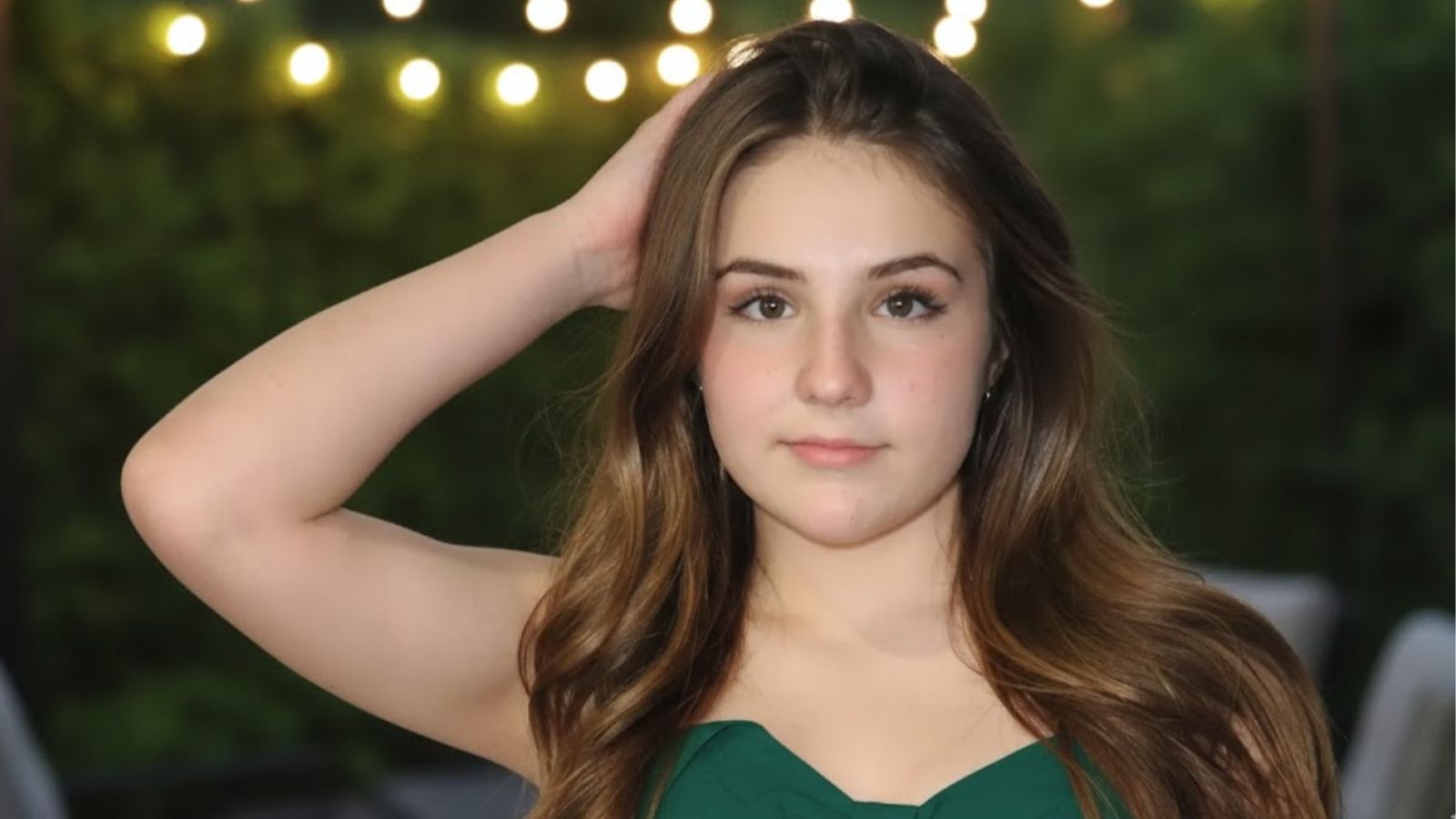
When Piper Rockelle announced in early January 2026 that she had joined OnlyFans, the internet reacted instantly—and intensely. Within 24 hours, Rockelle revealed she had earned more than $3.4 million, a figure that shocked even longtime followers. But the money wasn’t the real story. The backlash was.
Rockelle, who rose to fame as a YouTube child star, found herself at the center of a familiar but uncomfortable debate: who gets to decide how former child influencers reclaim their adulthood?
A Record-Breaking First Day—and Immediate Backlash
The earnings alone made headlines. Few creators, even established ones, hit multi-million-dollar numbers on day one. Yet almost as soon as Rockelle shared the milestone, criticism flooded social media. Some called the move “gross,” while others questioned the ethics of a former child star joining a platform still widely associated—fairly or not—with adult content.
The criticism wasn’t subtle, and Rockelle didn’t ignore it.
Rockelle Fires Back at Critics
Instead of retreating, Rockelle responded directly. She called out what she saw as hypocrisy—people condemning her choice while openly consuming content from the same platform or similar ones. Her point was sharp: society is comfortable profiting from creator platforms, but quick to judge who is allowed to use them.
Her response struck a nerve because it touched on something bigger than one creator’s career move.
The Complicated Reality for Former Child Influencers
Rockelle’s situation highlights a broader pattern. Child stars who grow up online rarely get the clean break afforded to traditional actors. Their audience ages with them, but expectations don’t always evolve. Any attempt to redefine their image is often met with discomfort framed as moral concern.
In this case, the outrage seemed less about the platform itself and more about people struggling to reconcile Rockelle’s past with her present autonomy.
Why This Story Resonates Right Now
This isn’t just influencer drama—it’s a cultural moment. The creator economy has matured, platforms like OnlyFans have diversified, and young creators are increasingly vocal about owning their narratives. Rockelle’s $3.4 million day one wasn’t just a financial flex; it was proof of demand, control, and leverage.
My take: The controversy says more about audience expectations than Rockelle’s decision. She didn’t break the internet by joining a platform—she broke an illusion that former child stars owe the public permanent innocence. And judging by the numbers, she’s already rewritten the rules.